Our approach to change
We build climate-resilient education systems through research, capacity building, community engagement and policy work. Seven connected pillars take us from evidence in the classroom to change across the system.
Research on climate education
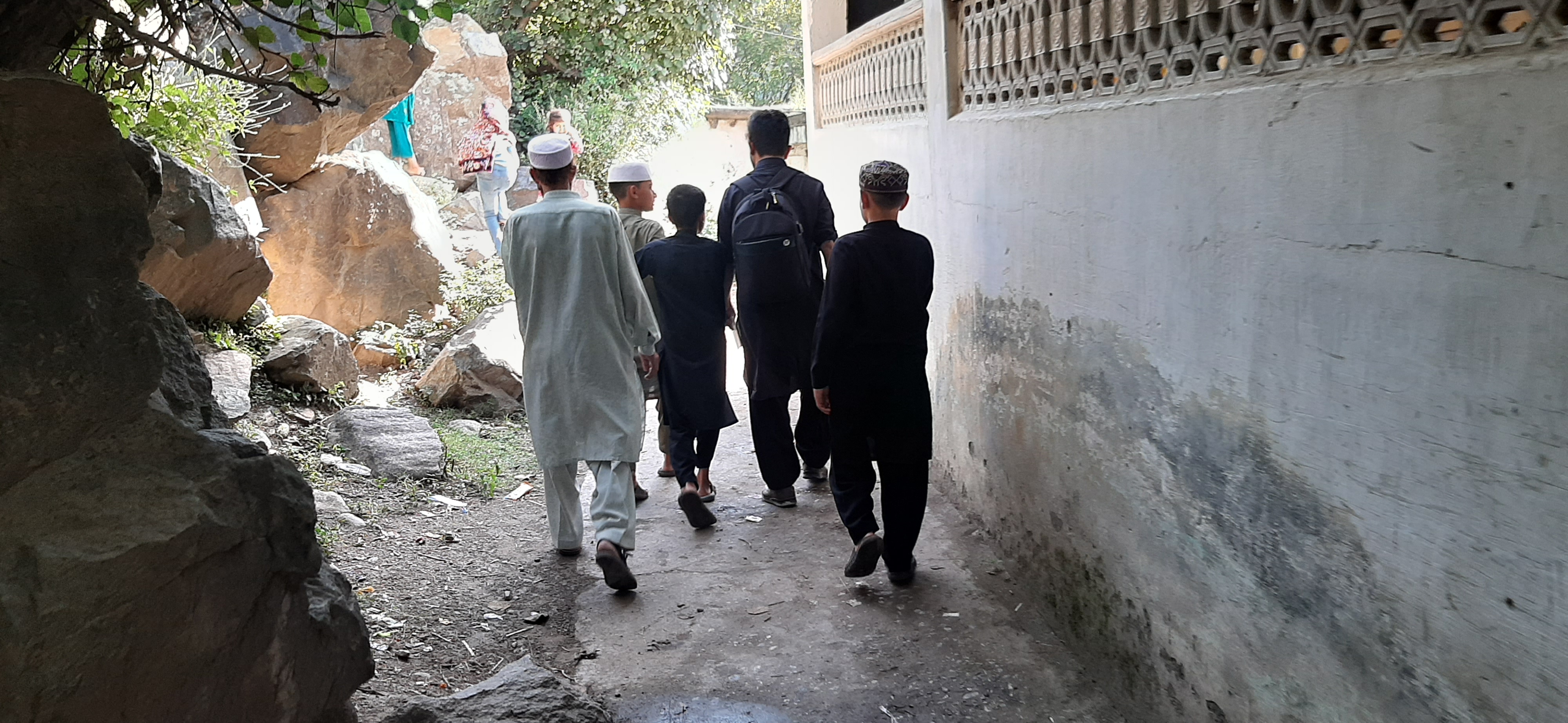
We conduct field research and needs assessments to understand how climate change affects education systems, learning continuity and student wellbeing. This evidence guides our interventions and our policy engagement.
Teacher capacity building
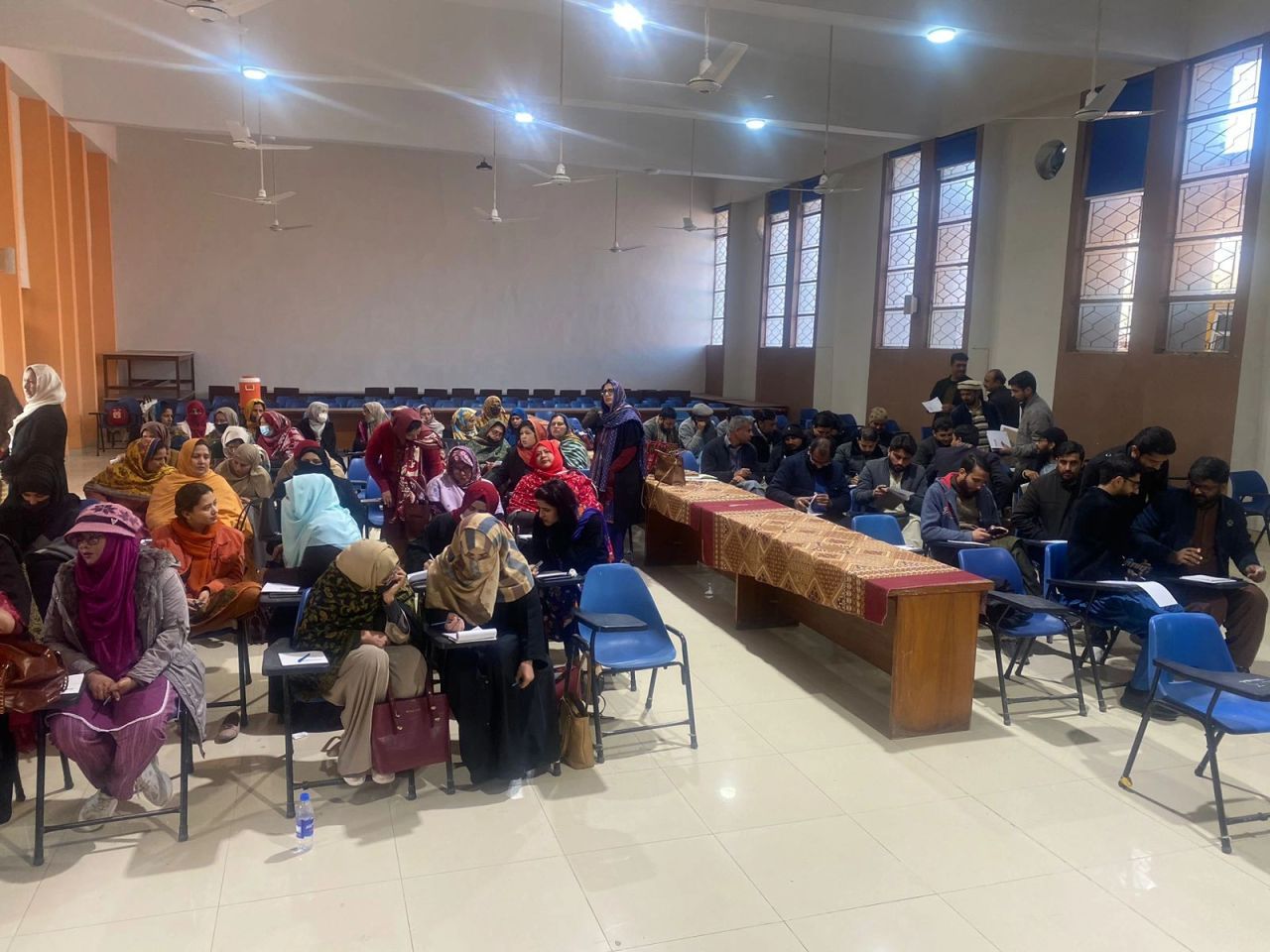
Teachers are frontline leaders during climate crises. We train educators in climate education, project-based learning and resilience approaches so they can support their students effectively.
In practice
More than 3,000 teachers trained. Our teacher training model won TeachersCOP29 in the Greening Teacher Training category.
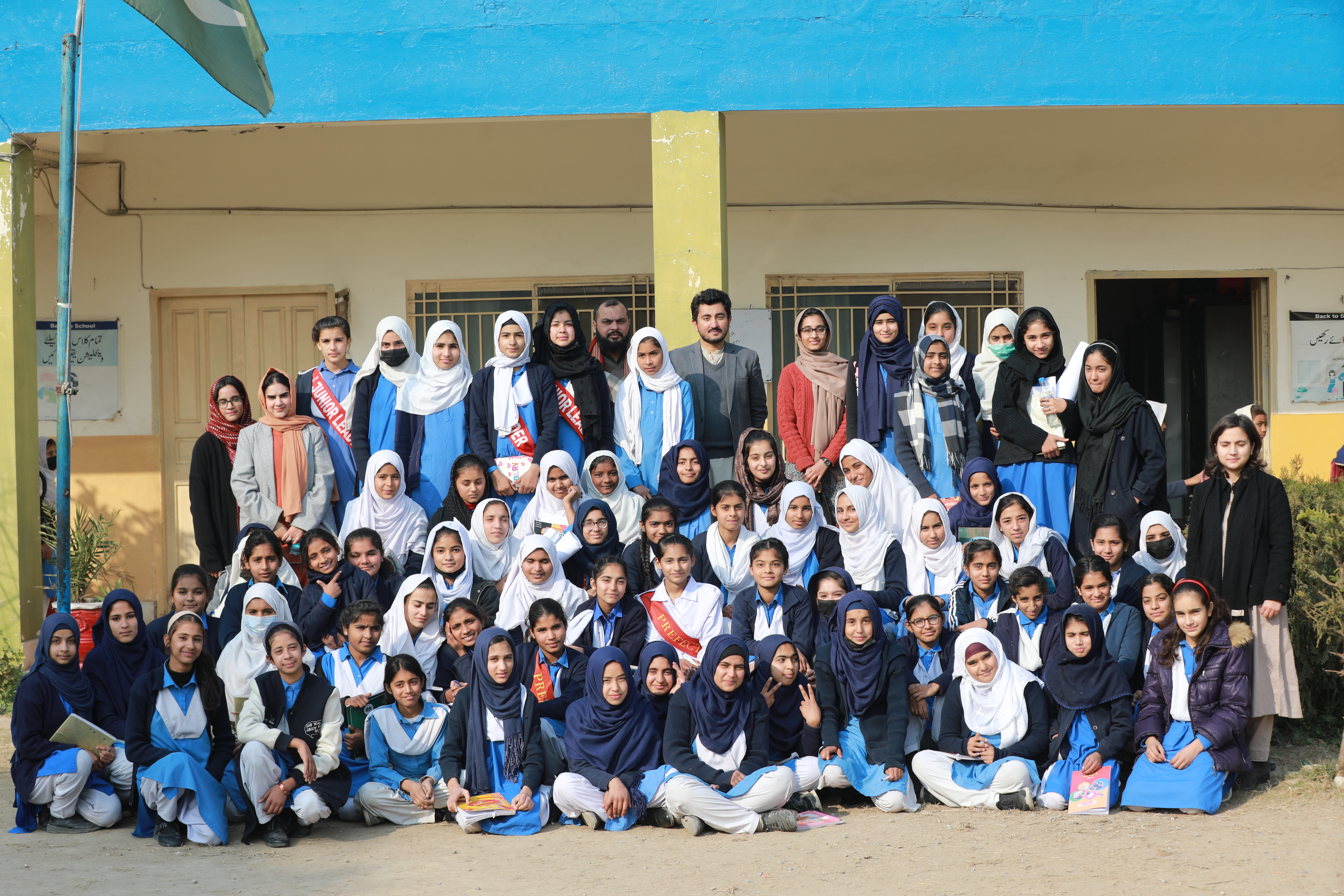
Student classroom engagement
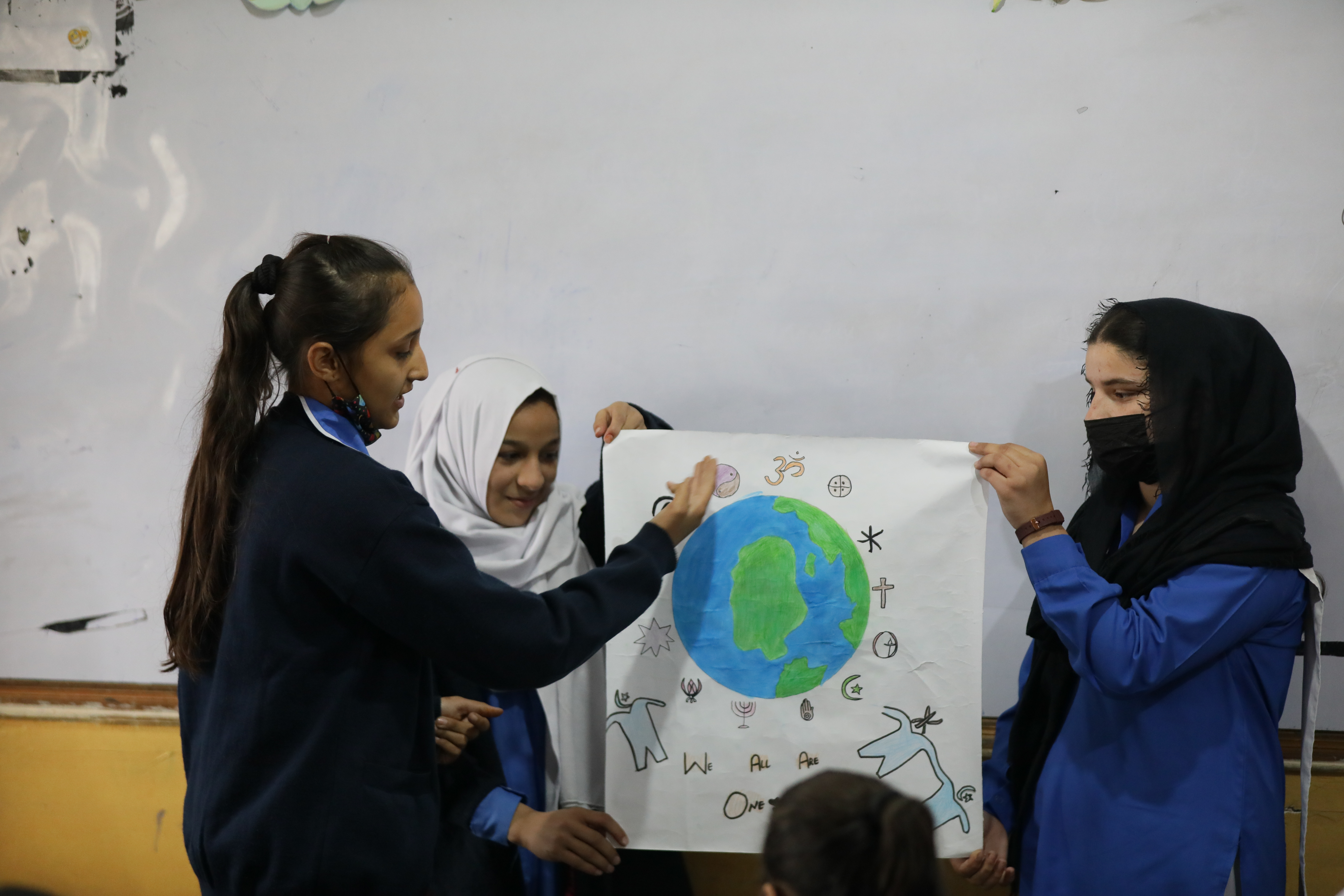
Students take part in interactive climate learning, action projects and leadership activities that build the awareness, skills and agency to respond to environmental challenges.
In practice
Student-led Eco-Action Clubs design flood awareness campaigns, build rainwater-harvesting models and lead waste-reduction drives.
School project funding and resources
We support schools with climate action mini-grants, resilience tools and health resources, so that learning environments stay safe and adaptive during emergencies.
In practice
Support includes WASH and menstrual hygiene services, psychosocial support and remedial learning, so children, especially girls, stay in school through crises.
Community engagement
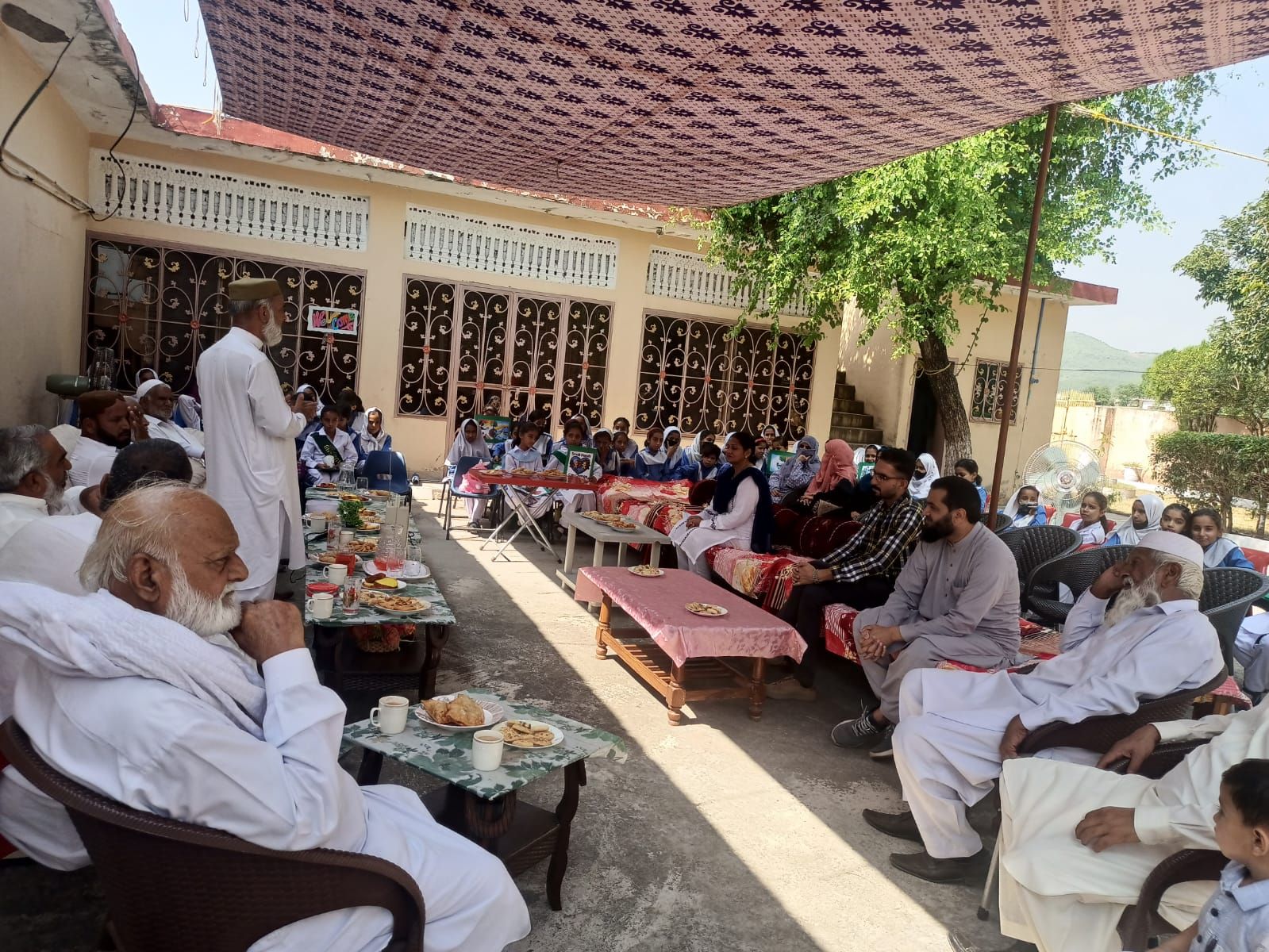
We engage parents, mothers and communities in climate awareness, resilience practices and collective action, strengthening the support systems around children's education.
In practice
Girls and mothers lead Climate Baithaks and Kitchen Climate Labs, shaping household-level climate solutions.
Policy engagement
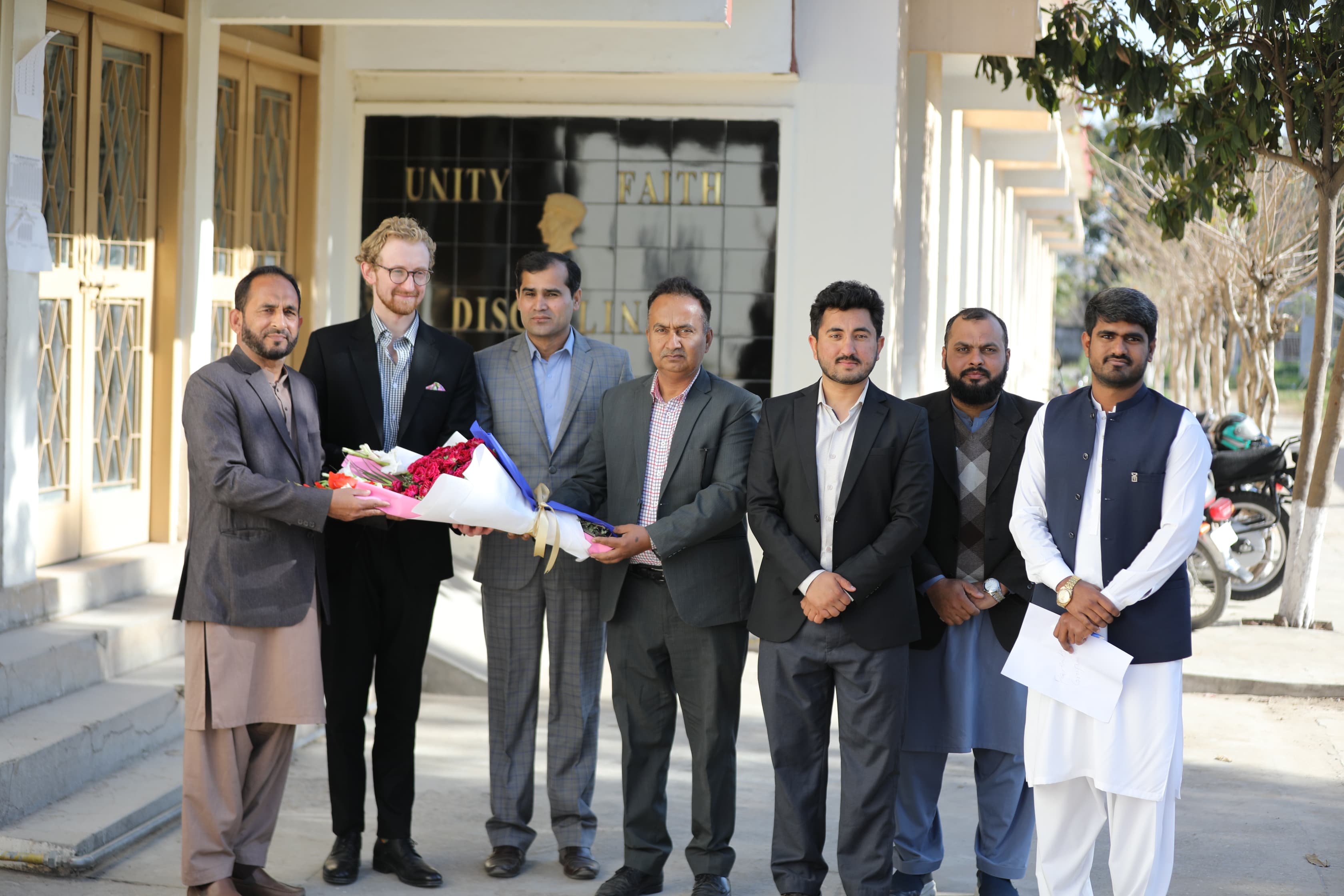
We work with education authorities and stakeholders to integrate climate education into policies, teacher training systems and institutional planning frameworks.
In practice
Our Teacher Parliament connects educators across schools to co-create adaptation plans and influence local policy.
Curriculum development
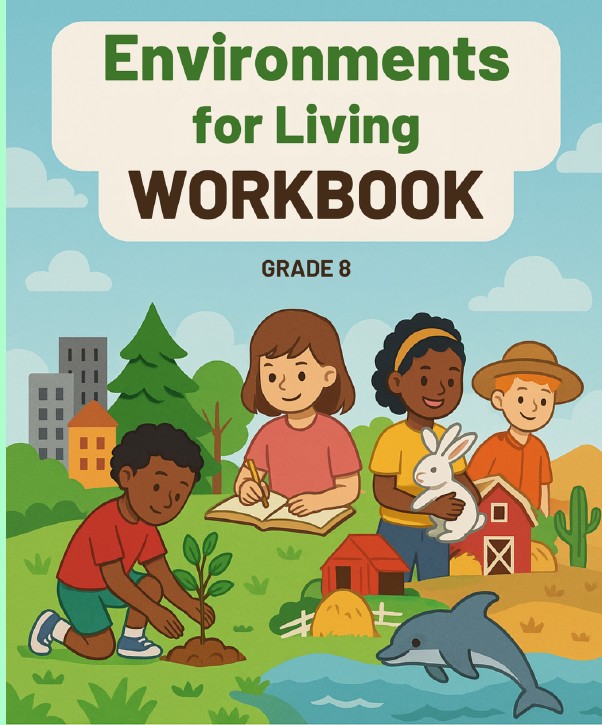
We design contextualised climate education lesson plans, toolkits and resources aligned with local realities, supporting teachers and students across grade levels.
In practice
640 lesson plans and 800 worksheet pages, built so teachers can embed climate learning in the subjects they already teach.
How the pillars connect
Each pillar builds on the one before it, moving from evidence to classrooms, schools, communities and policy.
-
Research
Field research and needs assessments ground every intervention in evidence.
-
Teacher training
Frontline educators gain climate knowledge and resilience tools.
-
Student action
Interactive learning and leadership projects build agency and skills.
-
School support
Grants and resources create safe, adaptive learning environments.
-
Community engagement
Parents and communities strengthen the support around children.
-
Policy influence
Climate education is integrated into wider education frameworks.
-
The goal
System change
Education systems that stay resilient to climate shocks.
Ready to bring this approach to your school?
Partner with Climate Class Connection to train teachers, engage students and build climate-resilient classrooms in your community.